
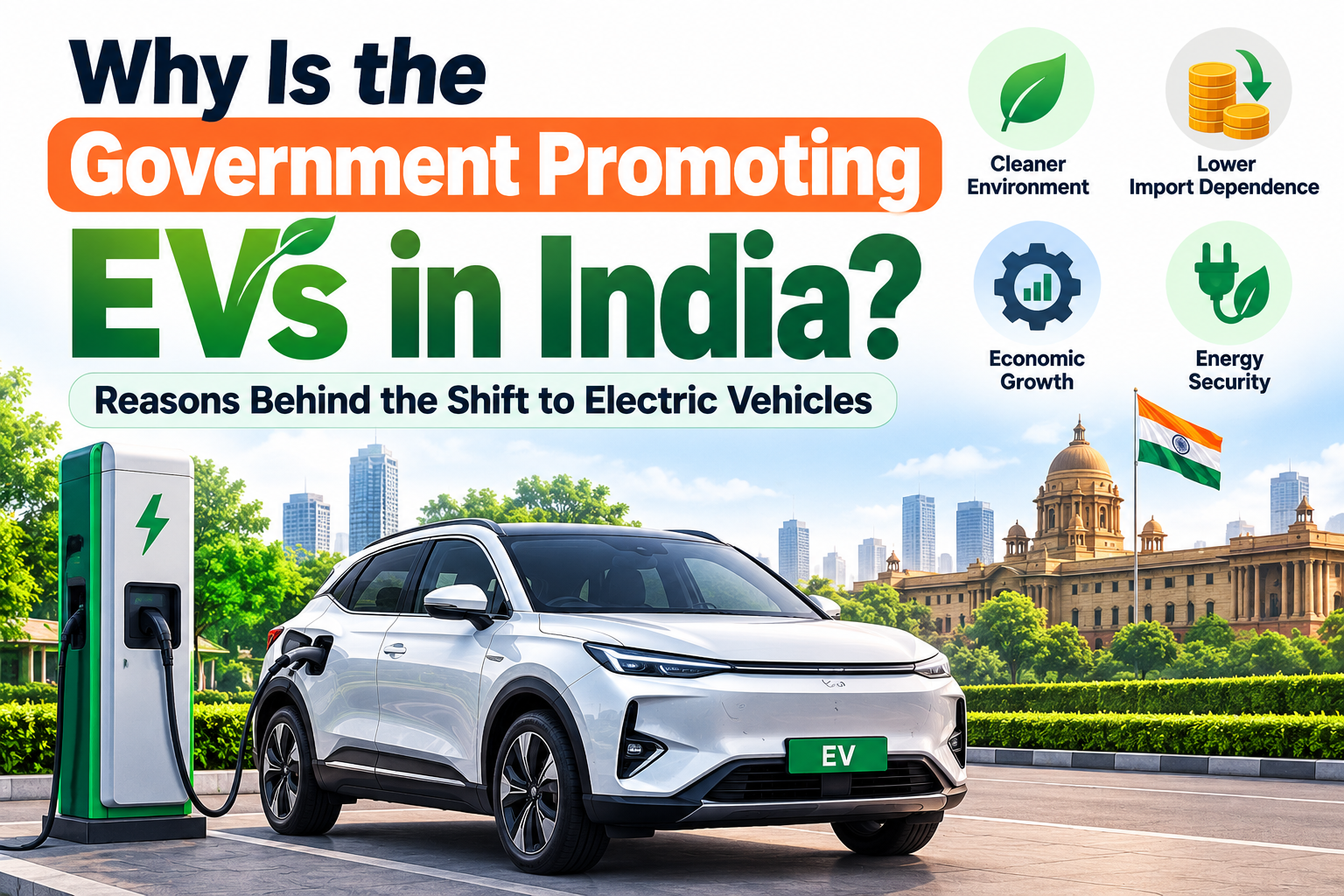
The trend of electric vehicles has started gaining momentum in the Indian automobile industry. It may be the electric scooter, the electric car or even the electric bus for public transport; whatever it be, the trend for electric cars has started growing rapidly. But, what makes the Indian government so much concerned about the promotion of electric vehicles in India?
It has created many avenues for the automobile industry, battery manufacturers and providers of charging stations in the country. Nevertheless, promotion of electric vehicles does not necessarily mean making everybody use electric cars.
1. Reducing Air Pollution Through Electric Vehicles
Air pollution is still an issue in many cities across India, where heavy traffic leads to bad air quality. The exhaust fumes emitted by conventional petrol and diesel vehicles have negative impacts on the environment and human health.
The biggest benefits of electric vehicles is that they do not emit any exhaust fumes when moving on roads. Using electric cars will help minimize roadside pollution, especially in densely populated cities.
However, the environmental impact of electric cars also depends on the way energy is produced as well as on the production process of their batteries. The environmental advantages of electric cars could be amplified through the use of clean energy production.
2. Reducing Dependence on Imported Petrol and Diesel
India is just one of the many countries that depend on importing a significant portion of the crude oil requirements. Fluctuations in international oil prices might affect fuel prices.
Adoption of electric cars in India would help lower usage of gasoline and diesel fuel, especially for everyday travelers and businesses involved in the transportation sector.
Production of electricity using local sources such as solar and wind power could enable this move. Reduction in the usage of oil, therefore, is a key factor motivating the government to encourage electric cars as an alternative mode of transportation.
3. Government EV Policy and Subsidies in India
The government EV policy in India aims to accelerate electric mobility through financial support, infrastructure investment and manufacturing initiatives.
Programs such as PM E-DRIVE offer assistance to eligible categories of electric vehicles and charging stations, provided the relevant requirements are met. In addition, some state governments provide incentives through their own EV policies.
These EV subsidies in India can help reduce the initial purchase cost for eligible buyers. However, the availability and amount of financial support depend on the vehicle category, scheme rules and relevant state policies.
4. Supporting India's Electric Vehicle Manufacturing Industry
Another reason behind increasing electric vehicle adoption in India is the opportunity to strengthen domestic manufacturing.
The use of electric vehicles necessitates batteries, electric motors, electronic parts, and charging systems. Investing in these aspects can lead to creation of job opportunities and innovations.
The development of a sound manufacturing industry for electric vehicles can also ensure better competition as well as availability of the products. Increased production and innovations in technology may eventually bring down the cost of these automobiles.
5. Expanding EV Charging Infrastructure
Limited charging availability remains a concern for people considering an electric car. Buyers need convenient charging options at home, workplaces and public locations.
Expanding EV charging infrastructure can make electric vehicle ownership more practical and reduce concerns about running out of battery power during longer journeys.
There have been efforts from the government to facilitate charging stations in certain spots, but availability remains uneven depending on the city or region.
6. Is the Government Forcing People to Buy Electric Vehicles?
The issue of whether the government compels the population to use EVs has to be distinguished between promotion and legislation.
The Indian policy comprises incentives, the development of infrastructure and manufacturing, and policies for promoting cleaner transport. However, that does not imply that everybody is forced to buy an electric car.
Nevertheless, certain policies might be applied to certain vehicle classes or regions.
Conclusion
An analysis of the reasons behind the government’s push towards the adoption of electric vehicles in India would include considerations of the environment, economics, and industry.
While both the subsidies for electric vehicles and improvements in charging infrastructure in India would drive the use of electric vehicles, the cost of vehicles, their range, and operating expenses cannot be overlooked by consumers.